
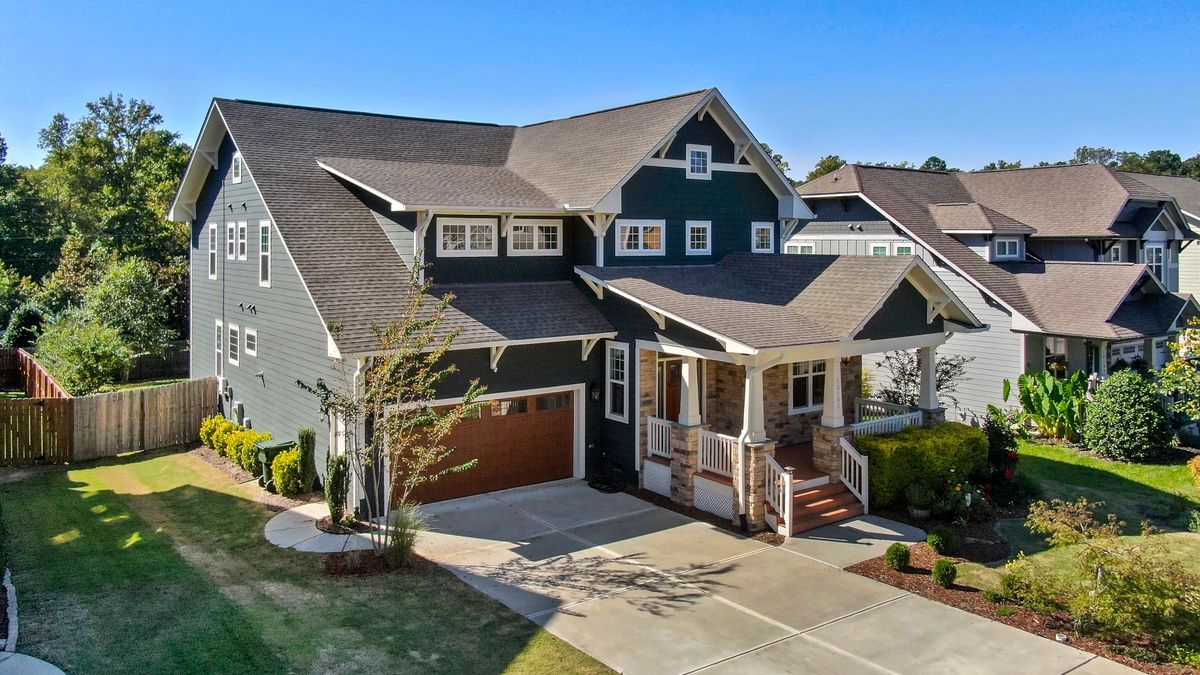
Torn between the pristine finish of a brand-new build and the established floor plans of a resale property? While shiny modern fixtures grab headlines, the true financial footprint of a house in Macomb County depends heavily on hidden structural lifespans, immediate post-closing updates, and local tax structures. Comparing newly constructed properties with established resale houses across Macomb Township reveals distinct financial paths for buyers evaluating their next move.
Quick answer: --- A superficial side-by-side comparison of listing prices rarely tells the full story. In Macomb Township, builder base prices often reflect only the core structure and standard finishes.
What Is the Real Upfront Cost Difference in Macomb Township?
A superficial side-by-side comparison of listing prices rarely tells the full story. In Macomb Township, builder base prices often reflect only the core structure and standard finishes. When buyers select popular custom features—such as elevated cabinetry, upgraded flooring, or recessed lighting package upgrades—the contract total can easily rise by 10% to 20% above the published starting price.
Furthermore, new development projects often pass specific infrastructure fees directly to the buyer. These can include municipal utility hookup fees, grading bonds, and mailbox installation costs. In contrast, an existing home near 21 Mile Road or Garfield Road generally includes all foundational site prep work, established sod, and finished utility lines built directly into the agreed purchase price.
Existing homes present a different upfront financial picture. While seller concessions can sometimes offset immediate closing expenses, resales frequently require early out-of-pocket allocations for immediate cosmetic refreshes, mechanical updates, or deferred maintenance items that the seller declined to address prior to closing.
Ready to buy?
Explore available homes or schedule a buyer consultation.
How Do Property Tax Calculations Differ Between Build Types in Michigan?
Property taxes in Michigan follow specific statutory rules that can create financial surprises if you only evaluate the first-year tax bill. Michigan taxes are calculated using an Assessment Value and taxable value capped by inflation until ownership transfers.
When you purchase a newly constructed home in Macomb Township, the initial property tax bill often reflects only the unimproved parcel of land. Once the local assessor inspects the completed structure, the property is reassessed based on the full value of the land plus the newly built home. This reassessment causes the tax bill to jump significantly—often double or triple the initial estimate—in the second calendar year.
+---------------------------------------------------------------------------------------+
| PROPERTY TAX & UPFRONT COST TRAJECTORY |
+---------------------------------------------------------------------------------------+
| NEW CONSTRUCTION |
| Year 1 Tax: [Low
- Land Only Assessment] |
| Year 2 Tax: [FULL ASSESSMENT
- Significant Jump] |
| Extras: [Site Prep, Upgrades, Sod, Window Treatments, Decks] |
+---------------------------------------------------------------------------------------+
| EXISTING HOME |
| Year 1 Tax: [Uncaps to Purchase Price Base] |
| Year 2 Tax: [Capped by Inflation / Local Millage] |
| Extras: [Immediate Maintenance, Paint, Appliance Updates] |
+---------------------------------------------------------------------------------------+
With an existing property, Michigan's "uncapping" rule applies immediately in the year following your purchase. The local municipality resets the Taxable Value to match the State Equalized Value (SEV), which generally tracks near 50% of the true cash value or sales price. From that baseline forward, annual tax increases are capped at the rate of inflation or 5%, whichever is lower, until the property sells again. Accounting for these taxable value adjustments prevents unexpected hits to your monthly housing budget.
Are Maintenance Expenses Lower for Brand-New Builds?
Short-term operational costs represent one of the clearest advantages of buying newly constructed property. Major structural systems—including the roof, foundation, high-efficiency HVAC equipment, double-pane windows, and plumbing lines—begin their operating lifespan at zero years. Most production builders also provide structural warranties extending from one to ten years, protecting against initial construction oversights.
Existing properties built in the late 1990s or early 2000s in neighborhoods near Hall Road or 23 Mile Road often approach critical replacement windows for their original mechanical systems:
- Roofing Systems: Architectural shingles typically require replacement between 20 to 25 years.
- HVAC Equipment: Furnaces and central air units generally last 15 to 20 years.
- Water Heaters: Standard tank units average a 10-to-12-year lifespan.
While an existing home may require setting aside a substantial emergency repair reserve right after move-in, a new construction home allows you to minimize routine maintenance budgets for the first several years of ownership.
What Hidden Post-Closing Expenses Should Buyers Expect?
Many buyers assume that turning the key on a newly constructed property means the house is 100% complete. However, builders routinely exclude essential finished items from their standard contract scope.
Common turn-key items left out of new build contracts include:
- Exterior Landscaping: Full yard sod, irrigation systems, trees, and flowerbeds often cost anywhere from $5,000 to over $15,000 depending on lot size.
- Decks and Patios: Outdoor living spaces, rear steps, and concrete patios are rarely included in base build pricing.
- Window Coverings: Blinds, shades, and custom drapes for an entire multi-story floor plan add up quickly.
- Appliance Packages: Washer, dryer, and secondary kitchen appliances may not be part of the standard build.
Existing homes almost universally come complete with established lawn turf, mature trees, custom blinds, lighting fixtures, and fully built outdoor decks or patio spaces. The expense of replicating these elements on a bare new-construction lot can substantially alter your post-closing budget.
How Does Construction Timeline Risk Impact Buyers?
Buying an existing home in Macomb Township provides predictable closing dates. Once an offer is accepted and inspection contingencies pass, closing typically occurs within 30 to 45 days. This allows buyers to plan lease terminations, current home sales, and moving logistics with reasonable precision.
New builds involve variable timeline risks. Material delays, municipal permit inspections, contractor scheduling bottlenecks, and unpredictable Michigan winter weather can push completion dates back by weeks or months. If your construction schedule slides from late autumn into deep winter, exterior work like final concrete driveways and top-layer soil grading may be delayed until spring thaw.
Buyers choosing new builds must maintain flexible living arrangements and be prepared for potential overlapping costs if housing schedules shift mid-build.
Common Mistakes to Avoid When Choosing Between New and Existing Homes
- Skipping an Independent Home Inspection on New Construction: Never assume a new build is flawless. Independent phase inspections (pre-drywall and final walk-through) catch hidden framing mistakes, unvented ductwork, or code oversights before walls are sealed.
- Using Only the Builder’s Preferred Lender Without Shopping Costs: While builder incentives can look appealing, compare total closing costs across multiple sources to ensure you receive the clearest financial structure for your budget.
- Forgetting to Budget for HOA Regulations and Assessments: Both newly developed subdivisions and established communities in Macomb Township often operate under Homeowners Associations. Review subdivision bylaws carefully for restrictions on fencing, shed construction, vehicle parking, and annual assessment fees.
- Underestimating the Second-Year Property Tax Adjustment: Base your long-term monthly payment ceiling on projected fully assessed taxes, not the low first-year land-only tax bill.
How Do You Decide Which Option Fits Your Strategy Best?
If your voice search query is: "Should I buy a new house or an existing home in Macomb Township?"
Here is the direct answer: Choose new construction if your priority is customizing your layout, minimizing near-term mechanical repairs, and taking advantage of modern energy efficiency, provided you have a flexible move-in timeline and extra funds for post-closing finishes like landscaping and blinds. Choose an existing home if you want settled neighborhoods with mature trees, predictable tax assessments, complete outdoor features, and a firm 30-to-45-day move-in schedule.
Frequently Asked Questions About Buying in Macomb Township
Do builders negotiate prices on new construction in Macomb Township?
While builders rarely drop their listed base price—because doing so lowers the comparable values for the rest of the subdivision—they are often willing to negotiate on structural upgrades, lot premiums, or financial credits toward closing costs. Working with a dedicated real estate agent gives you representation during these builder negotiations.
What is the average lot size comparison between new and existing homes?
Older subdivisions in Macomb Township developed in the 1980s and 1990s often feature larger lot sizes ranging from one-third of an acre to over half an acre. Newer master-planned developments tend to offer more compact, high-density lots designed for lower exterior yard maintenance.
Can I bring my own real estate agent to a builder's model home?
Yes. You should always have your own agent represent you before stepping into a model home or signing any builder guest register. The sales staff inside the model home represents the builder's interests. Having your own representation ensures your rights, budget, and inspection terms are fully protected throughout the construction process.
Navigating the choice between a custom new build and a move-in ready existing home in Macomb Township requires careful evaluation of total costs, property taxes, and timeline goals. For tailored guidance across Macomb County, Sterling Heights, Clinton Township, and the broader Metro Detroit area, reach out to local real estate professional Md Hoque at (313) 288-8905 or visit hoquerealty.com to schedule your personalized consultation.
Local coverage
Explore cities we serve
Local guides from Md Hoque — median prices, schools, and what to know before you buy.
Read next
Related Articles
Is New Construction or an Existing Home Better in Macomb Township, MI?
Macomb Township remains one of the fastest-growing communities in Metro Detroit, leaving home buyers torn between shiny turnkey builds and established properties with larger lots. While new constructi

Macomb Township MI New Construction vs Existing Homes: Which Fits Your Strategy?
Builders continue adding newly planned subdivisions across Macomb Township, yet established neighborhoods nearby sell just as quickly. Deciding between a freshly finished blueprint and an existing pro

Should You Build New or Buy an Existing Home in Macomb Township, MI?
Skipping the temptation of pristine builder model homes for a moment reveals a surprising reality: selecting between fresh construction and an established resale property in Macomb Township comes down
Get the Metro Detroit market brief
One useful email a week: local price trends, buyer & seller guides, and early access to new listings. Unsubscribe anytime with one click.
Ready to make a move in Metro Detroit?
Call or text Md Hoque at (313) 288-8905 for a free, no-pressure consultation on buying, selling, or investing in Warren, Detroit, and the surrounding 40 cities. Replies within the hour, 7 days a week.